Hey there! Ever wondered how some businesses seem to effortlessly connect with their customers, nurture leads, and close deals like magic? The secret often lies in a powerful combination: Marketing Automation with CRM. This isn’t just a fancy tech buzzword; it’s a game-changer for businesses looking to streamline their efforts, personalize customer interactions, and ultimately, grow faster. If you’re ready to make your marketing and sales teams work in perfect harmony, you’re in the right place!
What Exactly is Marketing Automation with CRM?
Let’s break it down. Marketing Automation refers to software that automates repetitive marketing tasks, like sending emails, posting on social media, and managing ad campaigns. It’s all about making your marketing efforts more efficient and scalable.
Then we have CRM (Customer Relationship Management). Think of your CRM as your central hub for all customer data – their contact info, purchase history, interactions, and preferences. It’s your single source of truth about every customer and prospect.
The Power of Integration
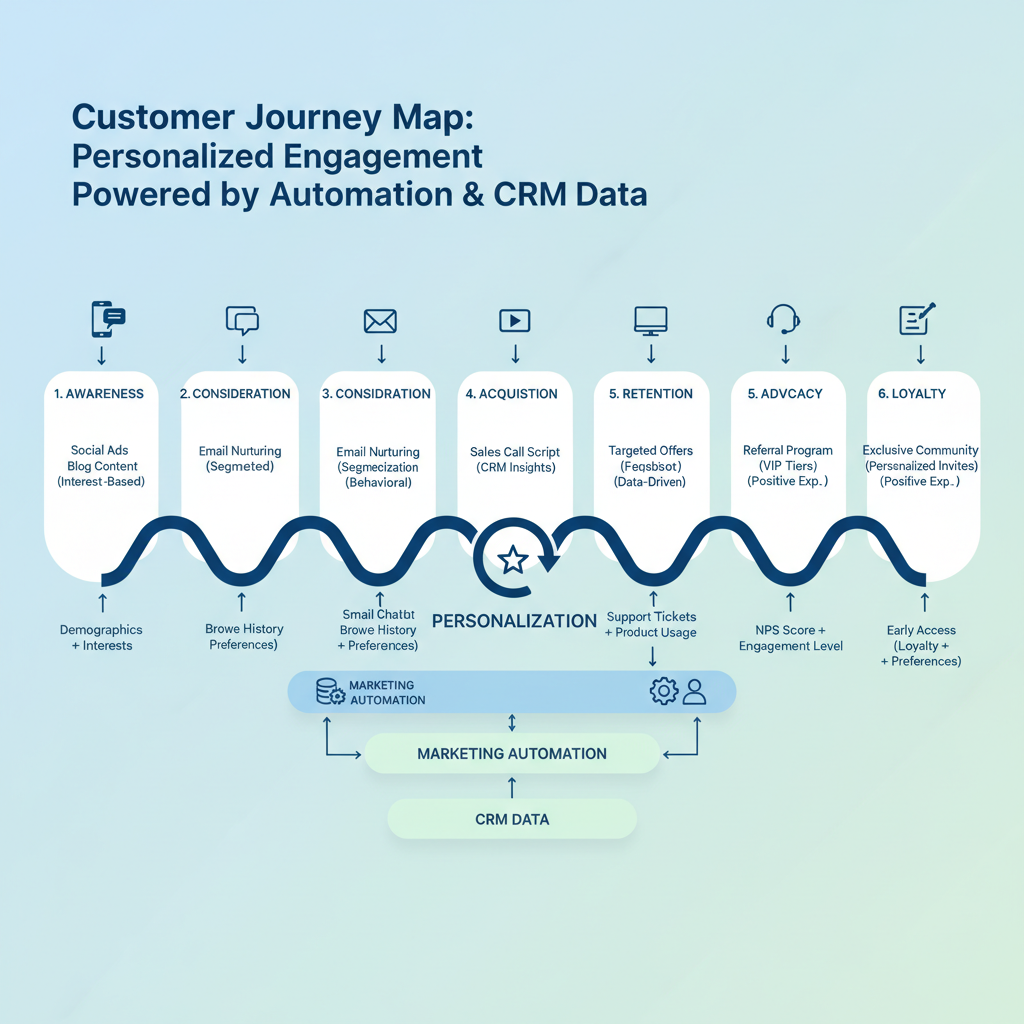
The real magic happens when you bring these two together. By integrating Marketing Automation with CRM, you’re essentially giving your marketing automation system access to a goldmine of customer data. This allows for incredibly precise targeting, personalized messaging, and a much more coherent customer journey from the very first touchpoint all the way through to customer loyalty. It’s like having a superpower for understanding and engaging with your audience!
Key Benefits of Implementing Marketing Automation with CRM
Curious about the real-world advantages? Here are some compelling reasons why businesses are jumping on the Marketing Automation with CRM bandwagon:
Enhanced Customer Understanding
With all your customer data in one place, your marketing automation can segment audiences with incredible accuracy. You’ll know exactly who you’re talking to, what they’re interested in, and how they’ve interacted with your brand before. This leads to more relevant and impactful communications.
Improved Lead Nurturing
No more leads falling through the cracks! Marketing automation can automatically nurture leads based on their behavior and engagement, sending targeted content at just the right time. When a lead becomes ‘sales-ready,’ the CRM ensures your sales team gets all the context they need to close the deal effectively.
Increased Efficiency and Productivity
Automating repetitive tasks frees up your marketing team to focus on strategy and creativity. Imagine the time saved when your follow-up emails, lead scoring, and even social media scheduling are handled automatically. This boost in efficiency trickles down to better overall productivity.
Better ROI Tracking
Because all your efforts are connected, it’s much easier to track the effectiveness of your marketing campaigns. You can see which automation workflows are generating the most leads, which content resonates best, and ultimately, calculate your return on investment with greater clarity.
Practical Applications and Use Cases
So, what does this look like in action? Let’s explore some common ways businesses leverage Marketing Automation with CRM:
Automated Email Campaigns
- Welcome Series: Automatically send a personalized welcome email sequence to new subscribers.
- Abandoned Cart Recovery: Trigger emails to customers who left items in their shopping cart.
- Re-engagement Campaigns: Send special offers to inactive customers to bring them back.
Personalized Customer Journeys
Based on customer behavior recorded in the CRM, you can create dynamic content and specific journeys. For example, if a customer browses a particular product category, your automation system can send them related product recommendations or case studies.
Sales & Marketing Alignment
This is where teams truly unite. Marketing passes hot, qualified leads directly to sales, complete with a full history of their interactions. Sales can then leverage this info for highly personalized outreach, knowing exactly what the lead is interested in and where they are in their buying journey.
Getting Started: Tips for Success
Ready to dive in? Here are a few tips to ensure your Marketing Automation with CRM implementation goes smoothly:
1. Define Your Goals: What do you want to achieve? More leads? Better customer retention? Clear goals will guide your strategy.
2. Clean Your Data: A CRM is only as good as its data. Ensure your customer information is accurate and up-to-date.
3. Start Small: Don’t try to automate everything at once. Pick one or two key workflows to implement first, then expand.
4. Train Your Teams: Ensure both marketing and sales teams understand how to use the integrated system effectively.
5. Monitor and Optimize: Regularly review your automation performance and make adjustments based on the data.
Ready to Transform Your Business?
Adopting Marketing Automation with CRM isn’t just about adopting new technology; it’s about embracing a smarter, more efficient way of doing business. By automating your marketing efforts and centralizing your customer data, you’re paving the way for stronger customer relationships, increased sales, and sustainable growth. It’s time to let technology do the heavy lifting so you can focus on what truly matters: connecting with your customers and building a thriving business!