Tag: Business Strategy

  • Unlock Loyalty: How CRM Improves Customer Retention for Lasting Business Success

    Unlock Loyalty: How CRM Improves Customer Retention for Lasting Business Success

    In today’s competitive market, customer retention isn’t just a buzzword; it’s the lifeline of sustainable business growth. Losing a customer can be costly, making it crucial for businesses to focus on keeping their existing clientele happy and engaged. So, how CRM improves customer retention is a question many businesses are asking, and the answer lies in its ability to transform how you interact with your customers. A robust Customer Relationship Management (CRM) system is more than just a contact list; it’s a strategic tool designed to build stronger, longer-lasting relationships.

    The Core of Retention: Understanding Your Customers

    At its heart, successful customer retention hinges on truly knowing your customers. CRM systems excel at gathering and organizing vast amounts of customer data, turning it into actionable insights. This deep understanding is precisely how CRM improves customer retention significantly.

    Centralized Data: A Single Source of Truth

    Imagine having all your customer interactions, purchase history, preferences, and support tickets in one place. That’s what a CRM offers. Instead of scattered information across different departments, a CRM centralizes everything. This means sales, marketing, and support teams all have access to the same up-to-date information, leading to a consistent and informed approach.

    A vibrant, detailed, photorealistic illustration showing various data points (customer profiles, purchase history, interaction logs, preferences) flowing into a central, glowing CRM dashboard, with different departmental icons (sales, marketing, support) connected to it, symbolizing a unified view of customer data.

    Personalization at Scale

    Once you have all that data, you can stop treating your customers like numbers. A CRM allows you to segment your audience based on behavior, demographics, and preferences. This segmentation enables highly personalized communication and offers, making each customer feel valued and understood. This tailored approach is a key component of how CRM improves customer retention by fostering a sense of individual connection.

    Proactive Engagement: Keeping Customers Happy

    It’s not enough to react when a customer has a problem; true retention comes from proactive engagement. CRM tools empower businesses to reach out effectively and anticipate customer needs.

    Tailored Communication

    With a CRM, you can automate personalized emails, special offers, and follow-ups based on specific triggers like a recent purchase, a birthday, or a period of inactivity. This ensures your communication is always relevant, timely, and appreciated, rather than feeling like generic spam. This continuous, relevant dialogue is vital for keeping customers engaged.
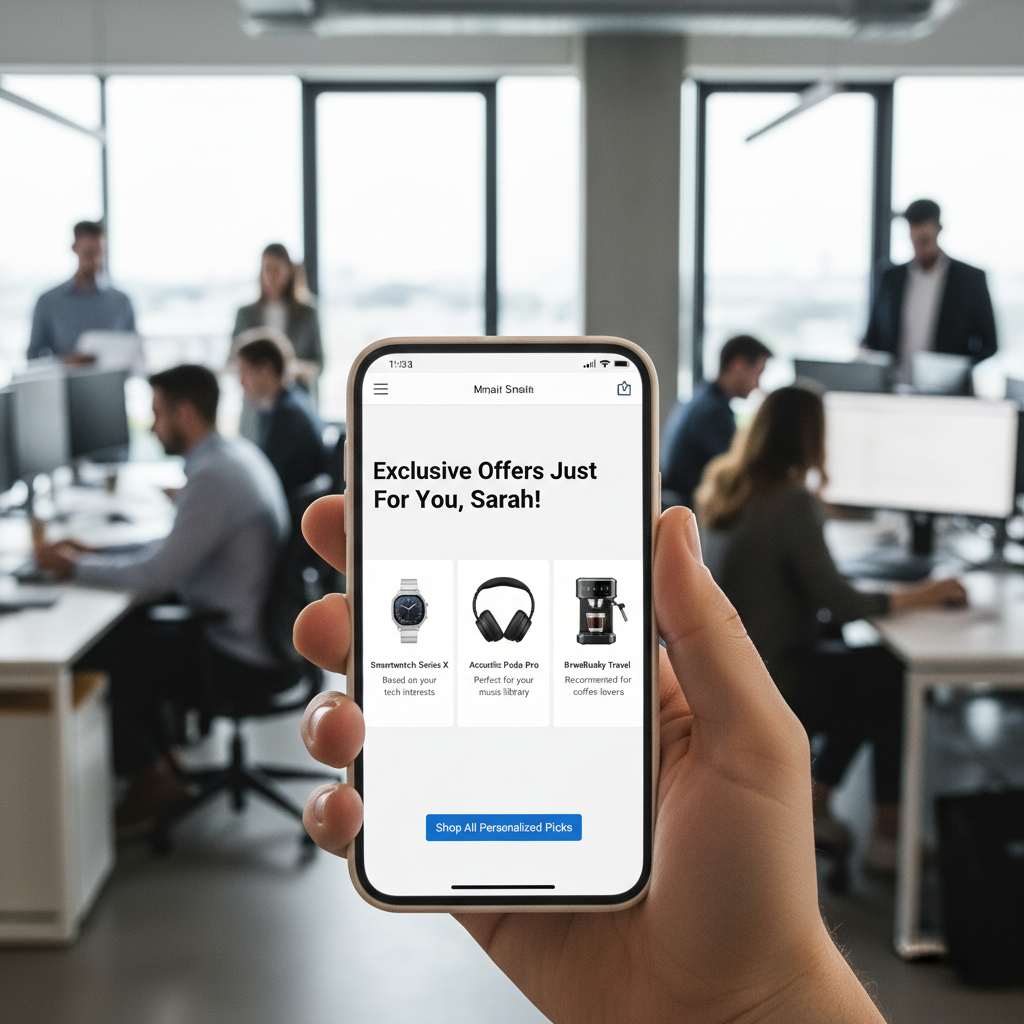
    A realistic close-up photo of a smartphone screen displaying a personalized marketing email or message with the customer's name and relevant product recommendations, held in a person's hand. In the background, there's a subtly blurred, modern office setting with people working.

    Anticipating Needs

    By analyzing past behavior and preferences, a CRM can help predict future needs or potential issues. For instance, if a customer regularly purchases a specific product, the CRM can flag them for a replenishment reminder or suggest related items. This foresight makes customers feel cared for and can prevent them from looking elsewhere.

    Streamlining Support for Stellar Experiences

    Excellent customer service is non-negotiable for retention. A CRM system helps streamline support operations, turning potential frustrations into opportunities for loyalty.

    Faster Problem Resolution

    When a customer contacts support, the CRM immediately provides the agent with their complete history. No more asking customers to repeat themselves or digging through old notes. This efficiency leads to faster, more effective problem resolution, which significantly impacts satisfaction.

    Consistent Service Across Channels

    Whether a customer reaches out via email, chat, or phone, the CRM ensures a consistent experience. Every interaction is logged, so any agent can pick up where the last one left off, guaranteeing a seamless and frustration-free support journey. This consistency builds trust and reinforces the customer’s decision to stay with your brand.

    Data-Driven Decisions: The Secret Sauce

    One of the most powerful aspects of CRM for retention is its ability to provide actionable data and analytics.

    Identifying At-Risk Customers

    CRMs can identify patterns or behaviors that indicate a customer might be at risk of churning. This could be declining engagement, fewer purchases, or unresolved issues. Armed with this insight, you can proactively intervene with targeted offers or check-ins to re-engage them before it’s too late.

    Measuring Success

    CRM dashboards offer clear metrics on customer satisfaction, churn rates, and the effectiveness of your retention strategies. This allows you to continuously refine your approach, ensuring your efforts are always optimized for the best results. Understanding these metrics is crucial for understanding how CRM improves customer retention over time.

    So, there you have it! From centralizing customer data and enabling hyper-personalization to streamlining support and providing crucial insights, a CRM system is an indispensable tool for any business serious about keeping its customers. By leveraging the power of CRM, you’re not just managing relationships; you’re actively building loyalty and securing a stronger, more sustainable future for your business. That’s ultimately how CRM improves customer retention in a big way!

  • What Does CRM Stand For? Unpacking Customer Relationship Management for Your Business

    What Does CRM Stand For? Unpacking Customer Relationship Management for Your Business

    Ever wondered what does CRM stand for when you hear businesses talk about it? You’re not alone! It’s a term thrown around quite a bit, especially in the business world, and understanding it can unlock a world of benefits for your company, no matter its size. Simply put, CRM is about building and nurturing strong relationships with your customers, and using technology to make that process super efficient and effective. Let’s dive in and demystify this powerful concept.

    So, What Exactly Does CRM Stand For?

    Alright, let’s get straight to the point. CRM stands for Customer Relationship Management. It’s a strategy, a process, and often, a technology that companies use to manage and analyze customer interactions and data throughout the customer lifecycle. The goal? To improve business relationships with customers, assist in customer retention, and drive sales growth.

    Think of it as your company’s digital brain for all things customer-related. It’s designed to compile information from a range of different communication channels, including a company’s website, telephone, email, live chat, marketing materials, and social media. A good CRM system allows businesses to learn more about their target audiences and how to best cater to their needs. This helps you:

    • Organize Customer Data: Keep all customer information in one centralized place.
    • Track Interactions: Log every call, email, meeting, and purchase.
    • Automate Tasks: Streamline repetitive tasks like sending follow-up emails.
    • Analyze Performance: Understand what’s working and what’s not in your customer engagement.

    Why is CRM So Important for Your Business?

    In today’s competitive landscape, knowing your customers isn’t just a nice-to-have; it’s a must-have. A robust CRM system can transform how you interact with your clientele, leading to happier customers and a healthier bottom line.

    Enhanced Customer Satisfaction

    When you have all the information about a customer at your fingertips – their purchase history, previous interactions, and preferences – you can provide personalized and prompt service. This makes customers feel valued and understood, significantly boosting their satisfaction and loyalty.

    Streamlined Business Processes

    CRM tools automate many routine tasks, freeing up your sales, marketing, and customer service teams to focus on more strategic activities. Imagine sales reps spending less time on data entry and more time building relationships!

    Improved Data Organization

    No more scattered spreadsheets or lost notes! A CRM centralizes all customer data, making it easily accessible to anyone in your organization who needs it. This consistent data source ensures everyone is on the same page.

    Better Sales and Marketing Strategies

    With detailed insights into customer behavior and preferences, your marketing campaigns can be highly targeted, leading to better conversion rates. Sales teams can identify hot leads faster and tailor their pitches for maximum impact.

    A diverse team of smiling business professionals collaborating in a modern office, looking at a shared screen displaying a CRM dashboard with graphs and customer data. The atmosphere is productive and positive. Photorealistic.

    Different Flavors of CRM Systems

    Not all CRM systems are created equal. They often come with different focuses to meet specific business needs. Understanding the main types can help you decide what might be best for your operation:

    • Operational CRM: Focuses on automating customer-facing processes like sales, marketing, and customer service. It streamlines operations that deal directly with customers.
    • Analytical CRM: Concentrates on collecting and analyzing customer data to gain deeper insights into customer behavior. This helps in making better business decisions, segmenting customers, and predicting trends.
    • Collaborative CRM: Aims to improve communication and information sharing between different departments within a company. It ensures that all teams have access to the same customer information, promoting a unified customer experience.

    Who Uses CRM and How?

    CRM isn’t just for big corporations; small and medium-sized businesses (SMBs) are increasingly adopting it too! Anyone who interacts with customers, whether directly or indirectly, can benefit. This includes:

    • Sales Teams: To manage leads, track opportunities, and automate sales tasks.
    • Marketing Teams: To run targeted campaigns, segment audiences, and measure campaign effectiveness.
    • Customer Service Teams: To handle inquiries, resolve issues, and provide support efficiently.
    • Business Owners: To get a 360-degree view of their business performance and customer base.

    From a freelance consultant managing client projects to a global e-commerce giant handling millions of transactions, CRM helps businesses keep their customer relationships strong and their operations smooth.

    A small business owner sitting at a desk, looking intently at a tablet displaying a user-friendly CRM interface with customer profiles and recent interactions. A cup of coffee and a notebook are nearby. Soft, natural lighting. Photorealistic.

    Getting Started with CRM: What to Consider

    If you’re thinking about implementing a CRM, here are a few quick tips:

    1. Define Your Needs: What problems are you trying to solve?
    2. Research Options: There are many CRM platforms out there (Salesforce, HubSpot, Zoho CRM, etc.).
    3. Start Simple: You don’t need all the bells and whistles from day one.
    4. Train Your Team: Proper training is crucial for successful adoption.

    Conclusion

    So, now you know that what does CRM stand for isn’t just a technical acronym, but a fundamental business strategy focused on strengthening customer relationships. By leveraging CRM technology, businesses can gain invaluable insights, streamline operations, and ultimately foster customer loyalty and drive growth. It’s a game-changer for anyone looking to put their customers at the heart of their business strategy. Happy relationship building!