
Tag: marketing

  • Boost Your Bottom Line: How to Increase Sales with CRM Effectively

    Boost Your Bottom Line: How to Increase Sales with CRM Effectively

    Hey there, business owners and sales pros! Ever wonder how some companies seem to effortlessly grow their customer base and revenue? Often, the secret sauce is a powerful tool called CRM (Customer Relationship Management). If you’re looking to increase sales with CRM, you’ve landed in the right spot. A good CRM system isn’t just about storing contact info; it’s a dynamic platform designed to supercharge your sales efforts and foster stronger customer relationships. Let’s dive into how this incredible technology can transform your sales game!## Why CRM is Your Sales SuperpowerThinking about how to increase sales with CRM? It’s simpler than you might think. A CRM system acts as a central hub for all your customer interactions and data, giving your sales team an unparalleled advantage. It helps you understand your customers better, anticipate their needs, and personalize your approach.## Key Ways CRM Helps You Sell More### 1. Nurture Leads Like a ProCRM systems excel at lead management. From initial contact to closing, you can track every interaction, ensuring no lead falls through the cracks. This systematic approach is essential if you want to increase sales with CRM.

    A vibrant, detailed illustration of a salesperson confidently interacting with a customer on a digital tablet, with various data points and customer profiles floating around them, representing effective lead nurturing through a CRM system. The setting is modern and professional.

    ### 2. Streamline Your Sales ProcessForget manual tracking and endless spreadsheets. CRM automates many routine tasks, from sending follow-up emails to scheduling meetings. This frees up your sales team to do what they do best: selling! A streamlined process directly translates to more closed deals, helping you increase sales with CRM.### 3. Get Smarter with Data InsightsOne of the biggest advantages of CRM is its ability to collect and analyze customer data. You can gain insights into buying patterns, customer preferences, and sales performance. Imagine knowing exactly which products your customers are most interested in, or identifying your most profitable segments. These insights are invaluable for strategic decision-making and a surefire way to increase sales with CRM.### 4. Enhance Customer RelationshipsHappy customers are loyal customers, and loyal customers buy more. CRM helps you remember every detail about your clients – their past purchases, preferences, and communication history. This allows for highly personalized interactions, making customers feel valued and understood. Stronger relationships naturally increase sales with CRM over time through repeat business and referrals.### 5. Improve Team CollaborationNo more silos! CRM provides a shared platform where your entire team can access up-to-date customer information. Sales, marketing, and customer service can all work together seamlessly, ensuring a consistent and positive customer experience. This collaborative approach ensures everyone is on the same page, driving collective efforts to increase sales with CRM.## Essential CRM Features for Sales GrowthWhen choosing a CRM to increase sales with CRM, look for these crucial features: Contact Management: Centralized database for all customer information. Lead Scoring & Tracking: Prioritize hot leads and monitor their journey. Sales Pipeline Management: Visual representation of your sales process. Automation: Automate repetitive tasks like email sequences and task assignments. Reporting & Analytics: Generate custom reports to track performance and identify trends. Mobile Access: Empower your sales team to work from anywhere.## Tips for Maximizing Your CRM’s Sales ImpactReady to really increase sales with CRM? Here are some quick tips:1. Train Your Team: Ensure everyone knows how to use the CRM effectively.2. Keep Data Clean: Regularly update and cleanse your data for accuracy.3. Integrate Other Tools: Connect CRM with marketing automation, email, and customer service tools.4. Use Analytics: Regularly review reports to adjust strategies and identify opportunities.5. Personalize, Personalize, Personalize: Leverage data to create highly targeted campaigns and conversations.

    A diverse team of sales professionals collaboratively analyzing a visually rich CRM dashboard on a large screen in a modern office. They are pointing to various sales metrics, graphs, and customer segments, demonstrating effective data utilization for sales growth.

    So there you have it! Implementing a robust CRM system isn’t just an expense; it’s an investment that pays dividends. By streamlining processes, empowering your team with data, and fostering deeper customer connections, you’ll be well on your way to significantly increase sales with CRM. What are you waiting for? Start exploring the right CRM solution for your business today and watch your revenue soar!
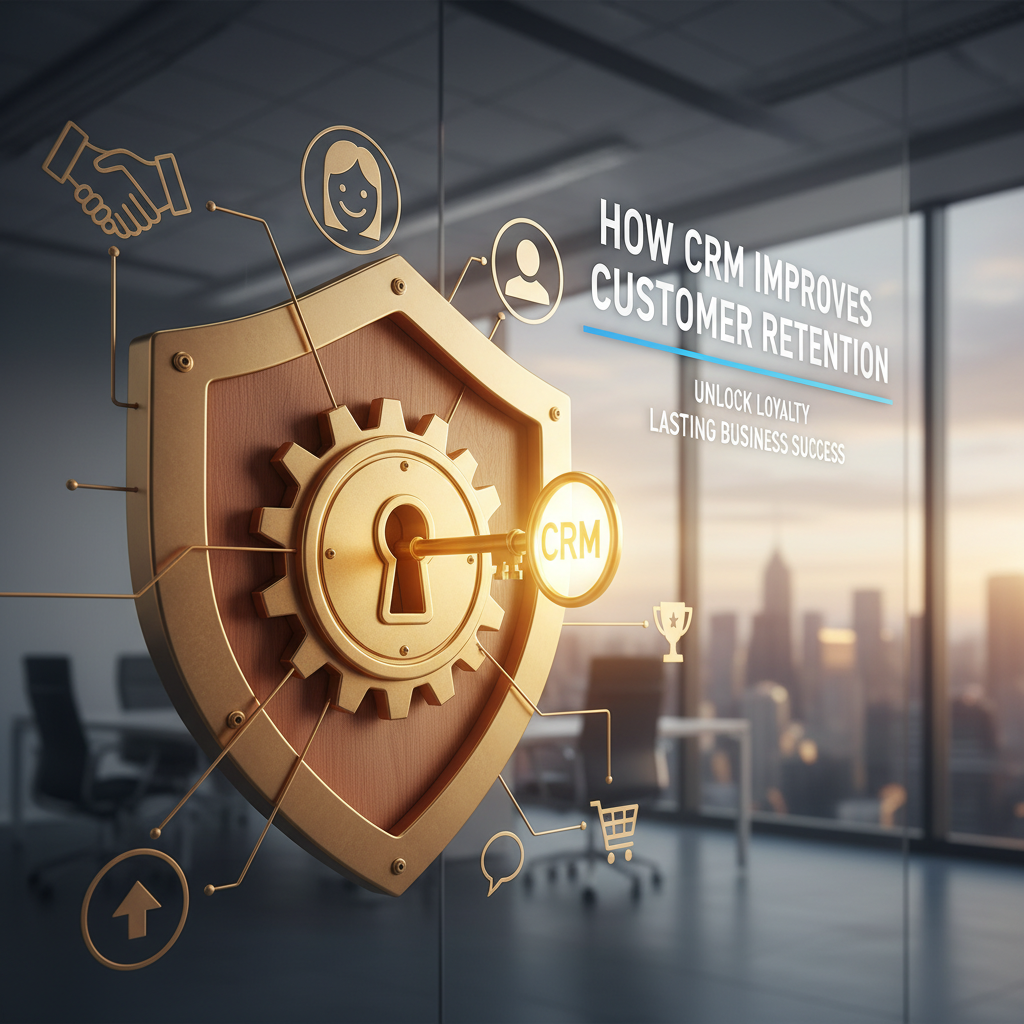

  • Unlock Loyalty: How CRM Improves Customer Retention for Lasting Business Success

    Unlock Loyalty: How CRM Improves Customer Retention for Lasting Business Success

    In today’s competitive market, customer retention isn’t just a buzzword; it’s the lifeline of sustainable business growth. Losing a customer can be costly, making it crucial for businesses to focus on keeping their existing clientele happy and engaged. So, how CRM improves customer retention is a question many businesses are asking, and the answer lies in its ability to transform how you interact with your customers. A robust Customer Relationship Management (CRM) system is more than just a contact list; it’s a strategic tool designed to build stronger, longer-lasting relationships.

    The Core of Retention: Understanding Your Customers

    At its heart, successful customer retention hinges on truly knowing your customers. CRM systems excel at gathering and organizing vast amounts of customer data, turning it into actionable insights. This deep understanding is precisely how CRM improves customer retention significantly.

    Centralized Data: A Single Source of Truth

    Imagine having all your customer interactions, purchase history, preferences, and support tickets in one place. That’s what a CRM offers. Instead of scattered information across different departments, a CRM centralizes everything. This means sales, marketing, and support teams all have access to the same up-to-date information, leading to a consistent and informed approach.

    A vibrant, detailed, photorealistic illustration showing various data points (customer profiles, purchase history, interaction logs, preferences) flowing into a central, glowing CRM dashboard, with different departmental icons (sales, marketing, support) connected to it, symbolizing a unified view of customer data.

    Personalization at Scale

    Once you have all that data, you can stop treating your customers like numbers. A CRM allows you to segment your audience based on behavior, demographics, and preferences. This segmentation enables highly personalized communication and offers, making each customer feel valued and understood. This tailored approach is a key component of how CRM improves customer retention by fostering a sense of individual connection.

    Proactive Engagement: Keeping Customers Happy

    It’s not enough to react when a customer has a problem; true retention comes from proactive engagement. CRM tools empower businesses to reach out effectively and anticipate customer needs.

    Tailored Communication

    With a CRM, you can automate personalized emails, special offers, and follow-ups based on specific triggers like a recent purchase, a birthday, or a period of inactivity. This ensures your communication is always relevant, timely, and appreciated, rather than feeling like generic spam. This continuous, relevant dialogue is vital for keeping customers engaged.

    A realistic close-up photo of a smartphone screen displaying a personalized marketing email or message with the customer's name and relevant product recommendations, held in a person's hand. In the background, there's a subtly blurred, modern office setting with people working.

    Anticipating Needs

    By analyzing past behavior and preferences, a CRM can help predict future needs or potential issues. For instance, if a customer regularly purchases a specific product, the CRM can flag them for a replenishment reminder or suggest related items. This foresight makes customers feel cared for and can prevent them from looking elsewhere.

    Streamlining Support for Stellar Experiences

    Excellent customer service is non-negotiable for retention. A CRM system helps streamline support operations, turning potential frustrations into opportunities for loyalty.

    Faster Problem Resolution

    When a customer contacts support, the CRM immediately provides the agent with their complete history. No more asking customers to repeat themselves or digging through old notes. This efficiency leads to faster, more effective problem resolution, which significantly impacts satisfaction.

    Consistent Service Across Channels

    Whether a customer reaches out via email, chat, or phone, the CRM ensures a consistent experience. Every interaction is logged, so any agent can pick up where the last one left off, guaranteeing a seamless and frustration-free support journey. This consistency builds trust and reinforces the customer’s decision to stay with your brand.

    Data-Driven Decisions: The Secret Sauce

    One of the most powerful aspects of CRM for retention is its ability to provide actionable data and analytics.

    Identifying At-Risk Customers

    CRMs can identify patterns or behaviors that indicate a customer might be at risk of churning. This could be declining engagement, fewer purchases, or unresolved issues. Armed with this insight, you can proactively intervene with targeted offers or check-ins to re-engage them before it’s too late.

    Measuring Success

    CRM dashboards offer clear metrics on customer satisfaction, churn rates, and the effectiveness of your retention strategies. This allows you to continuously refine your approach, ensuring your efforts are always optimized for the best results. Understanding these metrics is crucial for understanding how CRM improves customer retention over time.

    So, there you have it! From centralizing customer data and enabling hyper-personalization to streamlining support and providing crucial insights, a CRM system is an indispensable tool for any business serious about keeping its customers. By leveraging the power of CRM, you’re not just managing relationships; you’re actively building loyalty and securing a stronger, more sustainable future for your business. That’s ultimately how CRM improves customer retention in a big way!