
Tag: personalization

  • Boost Customer Satisfaction with CRM: Your Ultimate Guide to Happier Clients

    Boost Customer Satisfaction with CRM: Your Ultimate Guide to Happier Clients

    In today’s competitive market, keeping your customers happy isn’t just a goal; it’s the cornerstone of long-term success. Happy customers become loyal customers, and loyal customers drive growth. So, how do you consistently deliver experiences that delight? The answer often lies in smart technology, specifically by leveraging a Customer Relationship Management (CRM) system. Learning how to boost customer satisfaction with CRM can transform your business, turning casual buyers into passionate advocates.Let’s dive into how CRM can be your secret weapon for creating an exceptional customer journey.## What is CRM and Why Does It Matter for Customer Satisfaction?A CRM system is more than just a contact list; it’s a comprehensive platform designed to manage all your company’s interactions with current and potential customers. From sales and marketing to customer service, CRM centralizes customer data and streamlines processes. For customer satisfaction, this means a consistent, personalized, and efficient experience every single time.### Centralized Customer DataImagine having every piece of information about a customer—their purchase history, preferences, past interactions, and even their birthday—all in one easily accessible place. That’s what a CRM provides. This centralized data eliminates the frustration of customers having to repeat themselves to different departments, making every interaction smoother and more informed.### Streamlined CommunicationCRM helps standardize and streamline communication across all touchpoints. Whether a customer is reaching out via email, phone, social media, or live chat, their history is instantly available. This ensures that every team member can pick up where the last left off, providing a seamless and professional experience. It’s a huge step towards consistency and efficiency.

    A diverse team of customer service agents smiling and working collaboratively at a modern call center, each looking at their computer screens displaying CRM dashboards with customer profiles and communication history. The setting is bright and professional.

    ## Key Ways CRM Helps Boost Customer SatisfactionCRM isn’t just about organizing data; it’s about using that data to proactively enhance customer experiences. Here are some critical ways it helps:### Personalized ExperiencesNo one likes feeling like just another number. CRM allows you to personalize every interaction. With detailed customer profiles, you can address customers by name, recommend products based on past purchases, and send tailored offers that truly resonate with their needs and interests. This level of personalization makes customers feel valued and understood.### Faster Problem ResolutionWhen an issue arises, customers want a quick and effective solution. CRM equips your support team with instant access to customer history, relevant case details, and common solutions. This significantly reduces resolution times, minimizes customer effort, and turns potentially negative experiences into positive ones.### Proactive EngagementCRM helps you anticipate customer needs and engage proactively. By tracking customer behavior and purchase patterns, you can identify potential issues before they escalate or offer timely information that adds value. For instance, sending a reminder for a service renewal or a useful tip related to a recent purchase can go a long way in building trust.### Gathering Valuable FeedbackA good CRM system can also facilitate the collection and analysis of customer feedback. Through surveys, feedback forms, and interaction logging, you can gain insights into what’s working well and what needs improvement. This continuous feedback loop is crucial for refining your services and proving to customers that their opinions matter.
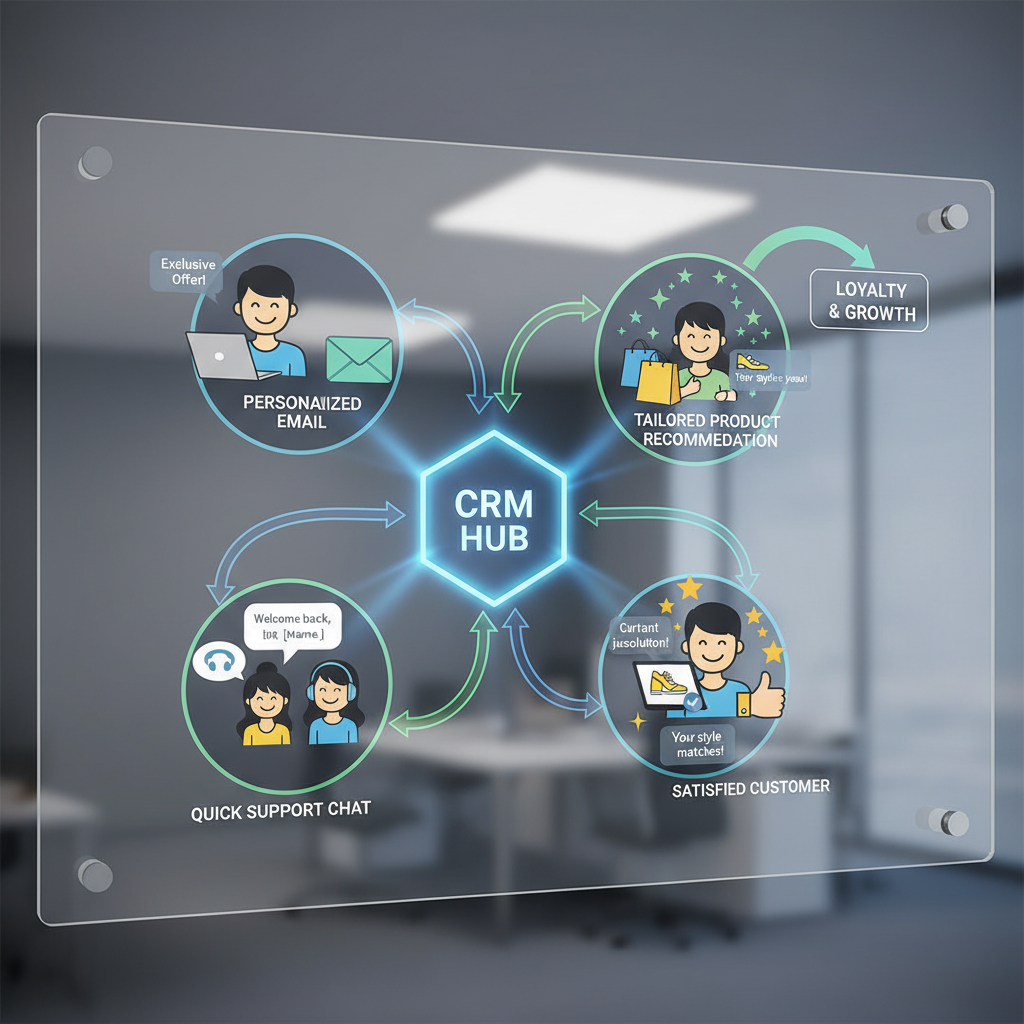
    A vibrant infographic illustrating the journey of a satisfied customer, showing seamless interaction points (e.g., personalized email, quick support chat, tailored product recommendation) powered by a CRM system. Elements like smiling customer icons, data flow lines, and a central CRM hub should be visually prominent and engaging.

    ## Choosing the Right CRM for Your BusinessTo truly boost customer satisfaction with CRM, it’s important to choose a system that fits your business needs. Consider factors like scalability, integration capabilities with other tools (like marketing automation or accounting software), ease of use, and, of course, your budget. A well-chosen CRM becomes an invaluable asset.## ConclusionImplementing a CRM system is a strategic investment in your customer relationships. By centralizing data, streamlining communication, enabling personalization, and facilitating proactive engagement, CRM empowers your business to deliver outstanding experiences. Embrace CRM, and you’ll not only boost customer satisfaction with CRM but also foster loyalty, encourage repeat business, and ultimately drive sustainable growth.
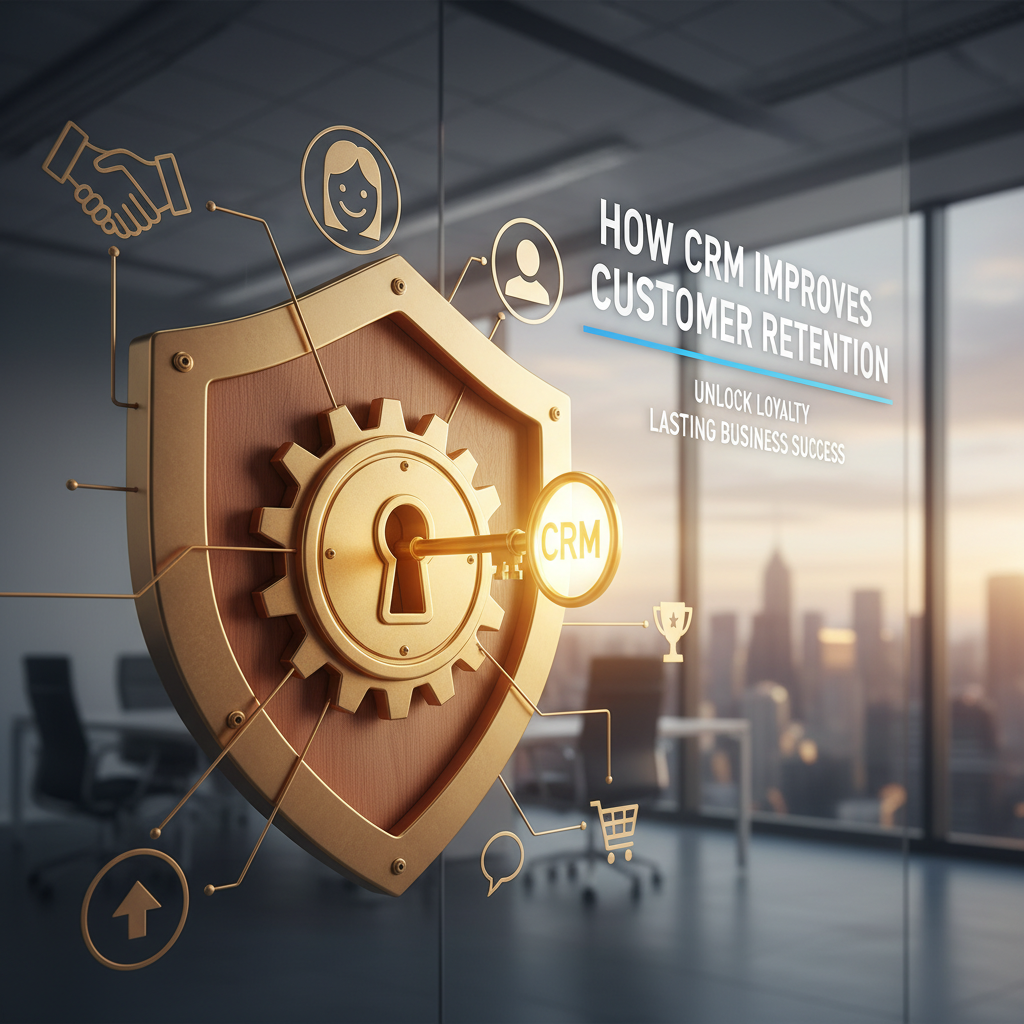

  • Unlock Loyalty: How CRM Improves Customer Retention for Lasting Business Success

    Unlock Loyalty: How CRM Improves Customer Retention for Lasting Business Success

    In today’s competitive market, customer retention isn’t just a buzzword; it’s the lifeline of sustainable business growth. Losing a customer can be costly, making it crucial for businesses to focus on keeping their existing clientele happy and engaged. So, how CRM improves customer retention is a question many businesses are asking, and the answer lies in its ability to transform how you interact with your customers. A robust Customer Relationship Management (CRM) system is more than just a contact list; it’s a strategic tool designed to build stronger, longer-lasting relationships.

    The Core of Retention: Understanding Your Customers

    At its heart, successful customer retention hinges on truly knowing your customers. CRM systems excel at gathering and organizing vast amounts of customer data, turning it into actionable insights. This deep understanding is precisely how CRM improves customer retention significantly.

    Centralized Data: A Single Source of Truth

    Imagine having all your customer interactions, purchase history, preferences, and support tickets in one place. That’s what a CRM offers. Instead of scattered information across different departments, a CRM centralizes everything. This means sales, marketing, and support teams all have access to the same up-to-date information, leading to a consistent and informed approach.

    A vibrant, detailed, photorealistic illustration showing various data points (customer profiles, purchase history, interaction logs, preferences) flowing into a central, glowing CRM dashboard, with different departmental icons (sales, marketing, support) connected to it, symbolizing a unified view of customer data.

    Personalization at Scale

    Once you have all that data, you can stop treating your customers like numbers. A CRM allows you to segment your audience based on behavior, demographics, and preferences. This segmentation enables highly personalized communication and offers, making each customer feel valued and understood. This tailored approach is a key component of how CRM improves customer retention by fostering a sense of individual connection.

    Proactive Engagement: Keeping Customers Happy

    It’s not enough to react when a customer has a problem; true retention comes from proactive engagement. CRM tools empower businesses to reach out effectively and anticipate customer needs.

    Tailored Communication

    With a CRM, you can automate personalized emails, special offers, and follow-ups based on specific triggers like a recent purchase, a birthday, or a period of inactivity. This ensures your communication is always relevant, timely, and appreciated, rather than feeling like generic spam. This continuous, relevant dialogue is vital for keeping customers engaged.

    A realistic close-up photo of a smartphone screen displaying a personalized marketing email or message with the customer's name and relevant product recommendations, held in a person's hand. In the background, there's a subtly blurred, modern office setting with people working.

    Anticipating Needs

    By analyzing past behavior and preferences, a CRM can help predict future needs or potential issues. For instance, if a customer regularly purchases a specific product, the CRM can flag them for a replenishment reminder or suggest related items. This foresight makes customers feel cared for and can prevent them from looking elsewhere.

    Streamlining Support for Stellar Experiences

    Excellent customer service is non-negotiable for retention. A CRM system helps streamline support operations, turning potential frustrations into opportunities for loyalty.

    Faster Problem Resolution

    When a customer contacts support, the CRM immediately provides the agent with their complete history. No more asking customers to repeat themselves or digging through old notes. This efficiency leads to faster, more effective problem resolution, which significantly impacts satisfaction.

    Consistent Service Across Channels

    Whether a customer reaches out via email, chat, or phone, the CRM ensures a consistent experience. Every interaction is logged, so any agent can pick up where the last one left off, guaranteeing a seamless and frustration-free support journey. This consistency builds trust and reinforces the customer’s decision to stay with your brand.

    Data-Driven Decisions: The Secret Sauce

    One of the most powerful aspects of CRM for retention is its ability to provide actionable data and analytics.

    Identifying At-Risk Customers

    CRMs can identify patterns or behaviors that indicate a customer might be at risk of churning. This could be declining engagement, fewer purchases, or unresolved issues. Armed with this insight, you can proactively intervene with targeted offers or check-ins to re-engage them before it’s too late.

    Measuring Success

    CRM dashboards offer clear metrics on customer satisfaction, churn rates, and the effectiveness of your retention strategies. This allows you to continuously refine your approach, ensuring your efforts are always optimized for the best results. Understanding these metrics is crucial for understanding how CRM improves customer retention over time.

    So, there you have it! From centralizing customer data and enabling hyper-personalization to streamlining support and providing crucial insights, a CRM system is an indispensable tool for any business serious about keeping its customers. By leveraging the power of CRM, you’re not just managing relationships; you’re actively building loyalty and securing a stronger, more sustainable future for your business. That’s ultimately how CRM improves customer retention in a big way!